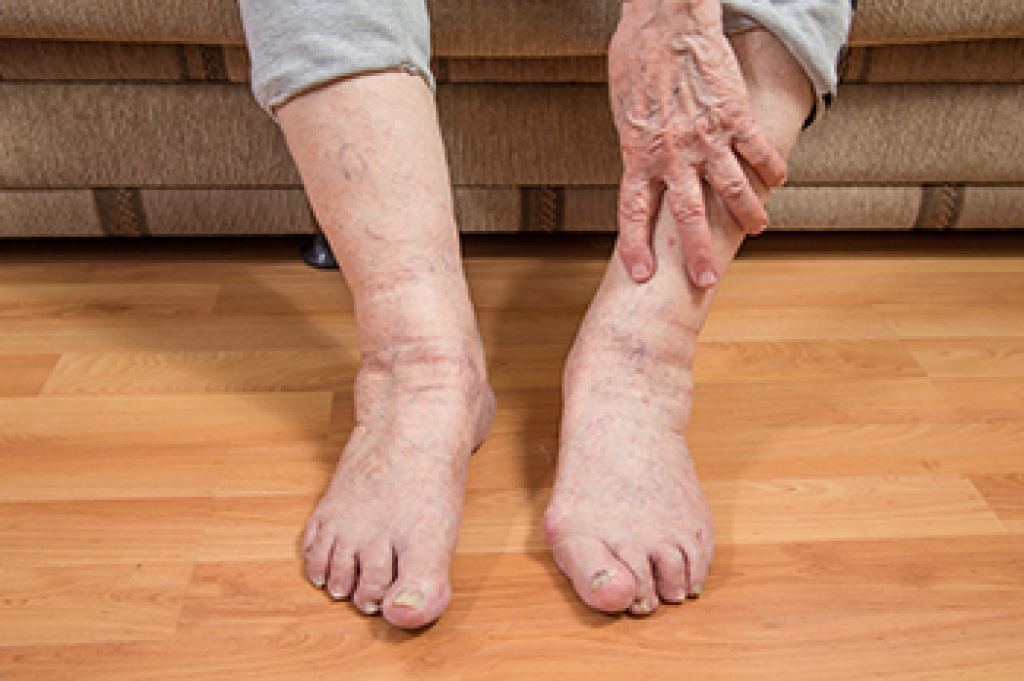
Hidden Damage From Diabetes

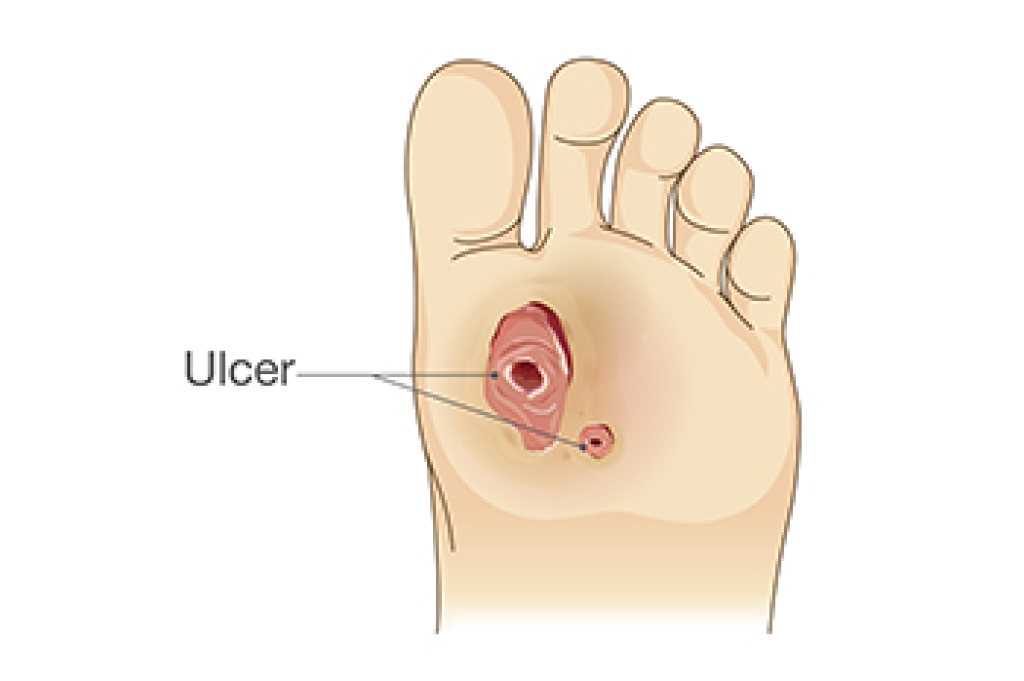
Diabetic foot disease refers to a group of serious foot problems that develop when diabetes affects circulation, nerve function, and the body’s ability to heal properly. Reduced feeling in the feet may prevent people from noticing cuts, blisters, pressure sores, or injuries before they become severe. Poor blood flow can also slow healing and increase the risk of infection. Many patients first notice numbness, tingling, swelling, skin discoloration, or changes in foot shape. Without treatment, these problems may lead to deep infections, tissue damage, or ulcers, which are open sores that can become difficult to heal. A podiatrist can examine the feet for early warning signs, evaluate circulation and nerve function, treat wounds, and help reduce pressure that contributes to skin breakdown. Ongoing diabetic foot care may lower the risk of serious complications and improve long-term foot health. If you have diabetes and notice changes in your feet, it is strongly suggested that you visit a podiatrist for care.

Diabetic foot care is important in preventing foot ailments such as ulcers. If you are suffering from diabetes or have any other concerns about your feet, contact Darline Kulhan, DPM from Scarsdale Foot Specialists PC. Our doctor can provide the care you need to keep you pain-free and on your feet.

Diabetic Foot Care

Diabetes affects millions of people every year. The condition can damage blood vessels in many parts of the body, especially the feet. Because of this, taking care of your feet is essential if you have diabetes, and having a podiatrist help monitor your foot health is highly recommended.

The Importance of Caring for Your Feet

  • Routinely inspect your feet for bruises or sores.
  • Wear socks that fit your feet comfortably.
  • Wear comfortable shoes that provide adequate support.

Patients with diabetes should have their doctor monitor their blood levels, as blood sugar levels play such a huge role in diabetic care. Monitoring these levels on a regular basis is highly advised.

It is always best to inform your healthcare professional of any concerns you may have regarding your feet, especially for diabetic patients. Early treatment and routine foot examinations are keys to maintaining proper health, especially because severe complications can arise if proper treatment is not applied.

If you have any questions, please feel free to contact our office located in Scarsdale, NY . We offer the newest diagnostic and treatment technologies for all your foot care needs.

Read more about Diabetic Foot Care

Dealing With Ingrown Toenails

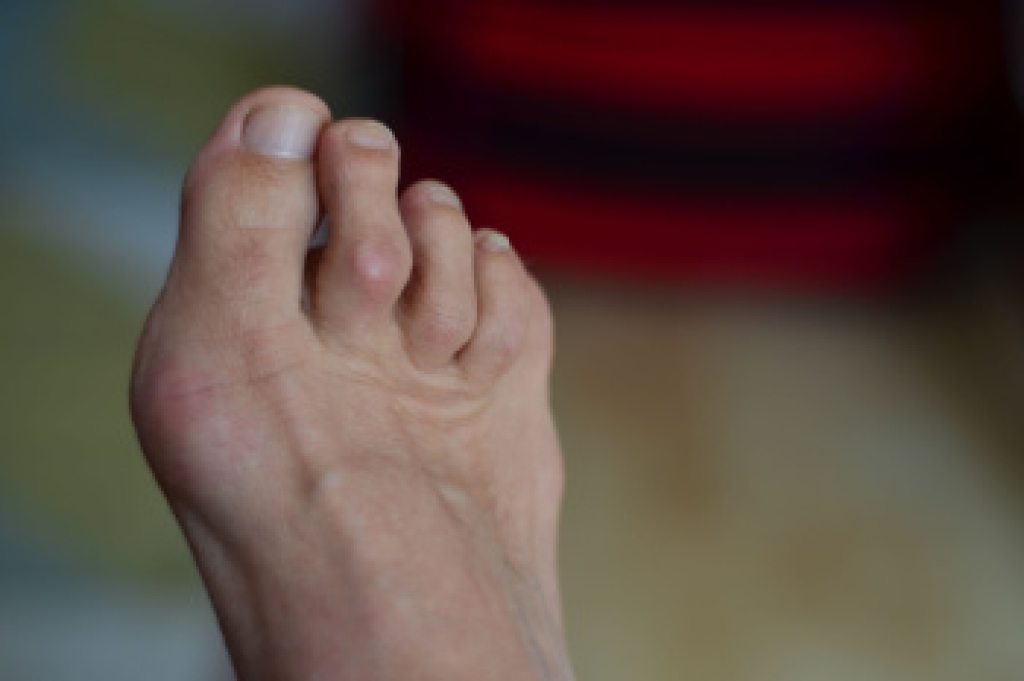
An ingrown toenail develops when the edge of a toenail grows into the surrounding skin instead of over it. This condition most often affects the big toe, and can cause redness, swelling, tenderness, and pain along the nail border. The area may feel sore while  walking, wearing shoes, or applying pressure to the toe. In some cases, the skin may become infected, leading to drainage, warmth, or increased swelling. Common causes include trimming the nails too short, wearing tight footwear, injury to the toe, or naturally curved nails. Repeated pressure from sports or daily activities may also contribute to the problem. A podiatrist can examine the toe, determine the severity of the condition, and recommend appropriate treatment. Care may include trimming or removing the ingrown portion of the nail, treating infection, recommending proper footwear, or performing a minor procedure to help prevent recurrence. If you have an ingrown toenail, it is suggested that you schedule an appointment with a podiatrist for appropriate treatment.

Ingrown toenails may initially present themselves as a minor discomfort, but they may progress into an infection in the skin without proper treatment. For more information about ingrown toenails, contact Darline Kulhan, DPM of Scarsdale Foot Specialists PC. Our doctor can provide the care you need to keep you pain-free and on your feet.

Ingrown Toenails

Ingrown toenails are caused when the corner or side of a toenail grows into the soft flesh surrounding it. They often result in redness, swelling, pain, and in some cases, infection. This condition typically affects the big toe and may recur if it is not treated properly.

Causes

  • Improper toenail trimming
  • Genetics
  • Improper shoe fitting
  • Injury from pedicures or nail picking
  • Abnormal gait
  • Poor hygiene

You are more likely to develop an ingrown toenail if you are obese, have diabetes, arthritis, or have any fungal infection in your nails. Additionally, people who have foot or toe deformities are at a higher risk of developing an ingrown toenail.

Symptoms

Some symptoms of ingrown toenails are redness, swelling, and pain. In rare cases, there may be a yellowish drainage coming from the nail.

Treatment

Ignoring an ingrown toenail can have serious complications. Infections of the nail border can progress to a deeper soft-tissue infection, which can then turn into a bone infection. You should always speak with your podiatrist if you suspect you have an ingrown toenail, especially if you have diabetes or poor circulation.

If you have any questions, please feel free to contact our office located in Scarsdale, NY . We offer the newest diagnostic and treatment technologies for all your foot care needs.
Read more about Ingrown Toenails

Feet That Itch and Burn

Athlete’s foot is a fungal infection that affects the skin of the feet, often starting between the toes. The skin may appear red, flaky, or cracked, and itching or burning sensations can become persistent. In some cases, the area may feel moist or develop small blisters, especially after wearing tight or non-breathable shoes. This condition thrives in warm, damp environments, such as locker rooms, sweaty footwear, or shared surfaces. It can spread easily and may worsen without proper care. A podiatrist can diagnose athlete’s foot through a clinical exam and recommend treatment based on severity. Care may include antifungal medications, improved foot hygiene, and guidance on keeping the feet dry and protected. Early treatment helps prevent the infection from spreading to the nails or other areas. If you have symptoms of athlete’s foot, it is suggested that you make an appointment with a podiatrist.

Athlete’s Foot

Athlete’s foot is often an uncomfortable condition to experience. Thankfully, podiatrists specialize in treating athlete’s foot and offer the best treatment options. If you have any questions about athlete’s foot, consult with Darline Kulhan, DPM from Scarsdale Foot Specialists PC. Our doctor will assess your condition and provide you with quality treatment.

What Is Athlete’s Foot?

Tinea pedis, more commonly known as athlete’s foot, is a non-serious and common fungal infection of the foot. Athlete’s foot is contagious and can be contracted by touching someone who has it or infected surfaces. The most common places contaminated by it are public showers, locker rooms, and swimming pools. Once contracted, it grows on feet that are left inside moist, dark, and warm shoes and socks.

Prevention

The most effective ways to prevent athlete’s foot include:

  • Thoroughly washing and drying feet
  • Avoid going barefoot in locker rooms and public showers
  • Using shower shoes in public showers
  • Wearing socks that allow the feet to breathe
  • Changing socks and shoes frequently if you sweat a lot

Symptoms

Athlete’s foot initially occurs as a rash between the toes. However, if left undiagnosed, it can spread to the sides and bottom of the feet, toenails, and if touched by hand, the hands themselves. Symptoms include:

  • Redness
  • Burning
  • Itching
  • Scaly and peeling skin

Diagnosis and Treatment

Diagnosis is quick and easy. Skin samples will be taken and either viewed under a microscope or sent to a lab for testing. Sometimes, a podiatrist can diagnose it based on simply looking at it. Once confirmed, treatment options include oral and topical antifungal medications.

If you have any questions, please feel free to contact our office located in Scarsdale, NY . We offer the newest diagnostic and treatment technologies for all your foot care needs.
Read more about Athlete's Foot

Common Types of Foot Pain and What They Mean

Foot pain can come from several conditions that affect daily comfort and movement. An ingrown toenail occurs when the nail grows into the surrounding skin, causing pain and swelling. Hammertoe is a bending of the toe joint that leads to pressure and irritation. Pain in the ball of the foot, often called metatarsalgia, involves discomfort in the front of the foot from repeated stress. Bunions are bony bumps that form at the base of the big toe, and Morton's neuroma is a thickening of tissue surrounding a nerve that can cause burning pain. A podiatrist can diagnose each condition and provide treatment to relieve symptoms. If you have any type of foot pain, it is suggested that you consult a podiatrist who can determine the cause and offer appropriate treatment solutions.

Foot Pain

Foot pain can be extremely painful and debilitating. If you have a foot pain, consult with Darline Kulhan, DPM from Scarsdale Foot Specialists PC. Our doctor will assess your condition and provide you with quality foot and ankle treatment.

Causes

Foot pain is a very broad condition that could be caused by one or more ailments. The most common include:

  • Bunions
  • Hammertoes
  • Plantar Fasciitis
  • Bone Spurs
  • Corns
  • Tarsal Tunnel Syndrome
  • Ingrown Toenails
  • Arthritis (such as Gout, Rheumatoid, and Osteoarthritis)
  • Flat Feet
  • Injury (from stress fractures, broken toe, foot, ankle, Achilles tendon ruptures, and sprains)
  • And more

Diagnosis

To figure out the cause of foot pain, podiatrists utilize several different methods. This can range from simple visual inspections and sensation tests to X-rays and MRI scans. Prior medical history, family medical history, and any recent physical traumatic events will all be taken into consideration for a proper diagnosis.

Treatment

Treatment depends upon the cause of the foot pain. Whether it is resting, staying off the foot, or having surgery; podiatrists have a number of treatment options available for foot pain.

If you have any questions, please feel free to contact our office located in Scarsdale, NY . We offer the newest diagnostic and treatment technologies for all your foot care needs.

Read more about Foot Pain

Dealing With Plantar Warts

Plantar warts are growths that develop on the bottom of the foot due to infection from the human papillomavirus, or HPV. They often appear as small, rough lesions with a grainy surface and may have tiny black dots within them, which are clotted blood vessels. Unlike other warts, they tend to grow inward because of pressure from walking or standing. Pain may increase with direct pressure, especially on weight-bearing areas, such as the heel or ball of the foot. These warts can spread through direct contact or from walking barefoot in shared spaces. A podiatrist can identify plantar warts and distinguish them from callouses or other skin conditions. Treatment includes topical medications, careful removal of thickened skin, or in-office procedures designed to eliminate the wart tissue. Addressing the condition early can reduce discomfort and limit spread. If you think you have a plantar wart, it is suggested that you make an appointment with a podiatrist for treatment. 

Plantar warts can be very uncomfortable. If you need your feet checked, contact Darline Kulhan, DPM from Scarsdale Foot Specialists PC. Our doctor will assist you with all of your foot and ankle needs.

About Plantar Warts

Plantar warts are the result of HPV, or human papillomavirus, getting into open wounds on the feet. They are mostly found on the heels or balls of the feet.

While plantar warts are generally harmless, those experiencing excessive pain or those suffering from diabetes or a compromised immune system require immediate medical care. Plantar warts are easily diagnosed, usually through scraping off a bit of rough skin or by getting a biopsy.

Symptoms

  • Lesions on the bottom of your feet, usually rough and grainy
  • Hard or thick callused spots
  • Wart seeds, which are small clotted blood vessels that look like little black spots
  • Pain, discomfort, or tenderness of your feet when walking or standing

Treatment

  • Freezing
  • Electric tool removal
  • Laser Treatment
  • Topical Creams (prescription only)
  • Over-the-counter medications

To help prevent developing plantar warts, avoid walking barefoot over abrasive surfaces that can cause cuts or wounds for HPV to get into. Avoiding direct contact with other warts, as well as not picking or rubbing existing warts, can help prevent the further spread of plantar warts. However, if you think you have developed plantar warts, speak to your podiatrist. He or she can diagnose the warts on your feet and recommend the appropriate treatment options.

If you have any questions, please feel free to contact our office located in Scarsdale, NY . We offer the newest diagnostic and treatment technologies for all your foot care needs.

Read more about What Are Plantar Warts?

Connect With Us

scroll to top