Signs That Your Running Shoes Do Not Fit Right

Choosing the right running shoes helps protect your feet and lowers the chance of painful injuries. A properly fitted shoe gives your toes enough room to move. Meanwhile, the midfoot and heel should be snug but not tight. About a thumb's width of space between your longest toe and the end of the shoe helps prevent bruised toenails and pressure. Shoes that are too narrow can cause tingling, numbness, and painful rubbing. Shoes that are too short can lead to bruised toes. Additionally, shoes that are too wide can allow your foot to slide, increasing the risk of blisters on the ball of the foot. A podiatrist can examine your feet, identify your foot shape, and recommend running shoes that match your needs and running style.

Finding the best fit takes more than trying on the first pair that feels comfortable. Shop later in the day because your feet naturally become slightly larger by evening. Wear the same socks you plan to use while running. Bring custom orthotics if you use them because they affect shoe fit. Always fit the larger foot first because one foot is usually a bit bigger than the other. Foot size also changes with age, weight gain or loss, pregnancy, and previous surgery.

After buying running shoes, pay close attention to how they feel on your first few runs. Blisters on top of or between the toes usually mean the shoes are too small. Heel blisters can mean the heel area is too loose. Tingling or numbness points to shoes that are too narrow or lack enough space. Ignoring these warning signs can lead to ongoing discomfort and foot problems. A podiatrist can evaluate your running gait, recommend appropriate shoe features, and determine whether orthotics would improve comfort and support. If you have foot pain after running, it is suggested that you schedule an appointment with a podiatrist for effective relief and treatment solutions.

Getting the right shoe size is an important part of proper foot health. Seek the assistance of Darline Kulhan, DPM from Scarsdale Foot Specialists PC. Our doctor will provide the care you need to keep you pain-free and on your feet.

Getting the Right Shoe Size

There are many people who wear shoes that are the incorrect size, negatively affecting their feet and posture. Selecting the right shoes is not a difficult process, so long as you keep several things in mind when it comes to choosing the right pair.

  • When visiting the shoe store, use the tools available to measure your foot.
  • Be sure there is ‘wiggle room’. There should be about an inch between your toes and the tip of your shoes.
  • Do not always assume you are the same size, as manufacturers run differently.
  • Purchase shoes later in the day, as your feet swell as the day progresses.
  • If a shoe is not comfortable, it is not suitable. Most shoes can’t be ‘broken in’, and comfort should be the ultimate goal when it comes to choosing the right pair of shoes

As our feet hold our body weight and keep us moving, it is important to treat them right. Picking the right pair of shoes can provide your feet comfort and mobility without pain.

If you have any questions, please feel free to contact our office located in Scarsdale, NY . We offer the newest diagnostic and treatment technologies for all your foot care needs.
Read more about Getting the Right Shoe Size: To Keep Your Feet Happy

Early Warning Signs of Ingrown Toenails in Children

Ingrown toenails, medically known as onychocryptosis, are a common nail disorder that affects children and adolescents. This condition occurs when the edge of the toenail grows into the surrounding skin, leading to irritation and discomfort. It most often affects the big toe and can interfere with normal walking and daily activity. In children, early recognition is important because the condition can progress quickly if left untreated. Understanding the definition and stages of ingrown toenails helps parents respond promptly and reduce complications.

Symptoms of ingrown toenails often begin with redness and mild tenderness along the nail border. As the condition progresses, inflammation increases, and the area may become swollen and painful. Children may complain of discomfort when wearing shoes or during physical activity. In more advanced stages, the skin may begin to fold over the nail edge, and infection can develop. Signs of infection include drainage, warmth, and increased pain. Difficulty walking may occur if pressure on the affected toe becomes severe.


Several risk factors contribute to ingrown toenails in children. Improper footwear that is too tight or narrow can place pressure on the toes and encourage the nail to grow inward. Incorrect nail trimming, such as cutting the nails too short or rounding the edges, can also lead to this condition. Active children who participate in sports may experience repeated trauma to the toes, increasing the risk of nail problems. Poor foot hygiene and excessive sweating can further contribute to skin irritation and infection.


Preventing ingrown toenails involves proper nail care, wearing well-fitting shoes, and good hygiene practices. Nails should be trimmed straight across and not too short to avoid pressure on the surrounding skin. Comfortable shoes with adequate toe space can reduce friction and irritation. Early attention to symptoms can prevent progression to infection and more serious complications. Ingrown toenails can be painful. If your child has symptoms of an ingrown toenail, it is suggested that you promptly consult a podiatrist for effective relief and treatment solutions.

Ingrown toenails can become painful if they are not treated properly. For more information about ingrown toenails, contact Darline Kulhan, DPM of Scarsdale Foot Specialists PC. Our doctor can provide the care you need to keep you pain-free and on your feet.

Ingrown Toenails

Ingrown toenails occur when a toenail grows sideways into the bed of the nail, causing pain, swelling, and possibly infection.

Causes

  • Bacterial infections
  • Improper nail cutting such as cutting it too short or not straight across
  • Trauma to the toe, such as stubbing, which causes the nail to grow back irregularly
  • Ill-fitting shoes that bunch the toes too close together
  • Genetic predisposition

Prevention

Wearing proper fitting shoes and using proper cutting techniques will also help decrease your risk of developing ingrown toenails.

Treatment

Ingrown toenails are a very treatable foot condition. In minor cases, soaking the affected area in salt or antibacterial soaps will not only help with the ingrown nail itself, but also help prevent any infections from occurring. In more severe cases, surgery is an option. In either case, speaking to your podiatrist about this condition will help you get a better understanding of specific treatment options that are right for you.

If you have any questions, please feel free to contact our office located in Scarsdale, NY . We offer the newest diagnostic and treatment technologies for all your foot care needs.
Read more about Ingrown Toenails

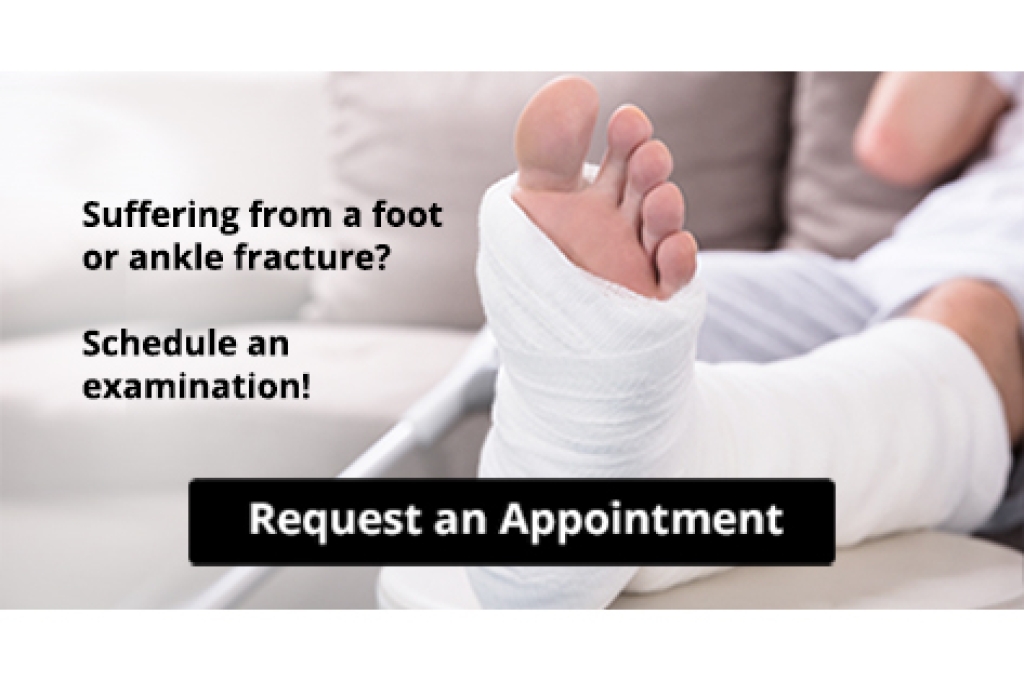
Ankle Fracture? Don’t Wait for Treatment

If you're suffering from an ankle fracture, professional attention shouldn't wait. Fractures may worsen over time and can make completing everyday activities incredibly difficult. See your specialist for treatment and guidance through the healing process. 

Understanding Foot Sprains

A foot sprain occurs when a ligament is stretched or torn. A ligament is a strong band of tissue that connects bones and helps keep joints stable. Most foot sprains happen when the foot twists unexpectedly, lands awkwardly, or remains planted while the body turns. Sports, dancing, and other activities that require quick changes in direction are common causes. A mid-foot sprain affects the center of the foot and can make movement difficult because this area helps support body weight. Sprains are generally grouped into three grades. Grade I involves small tears. Grade II involves larger tears. Grade III occurs when a ligament is completely torn or separated from the bone.

Symptoms of a sprained foot include pain, swelling, bruising, and tenderness. Many people have discomfort while walking and notice reduced strength when pushing off the foot. More severe injuries can make it difficult to place weight on the foot. Some patients also experience instability, meaning the foot feels weak or unsteady. A podiatrist can evaluate the injury with a physical examination and imaging tests. These are used to evaluate damage to soft tissues, ligaments, tendons, and muscles that support movement and stability.

Recovery depends on the severity of the injury. Treatment often includes a brace, walking boot, or crutches to protect the foot while healing. As pain and swelling improve, patients gradually return to normal activities. Rehabilitation exercises are frequently recommended to improve flexibility, strength, and balance. Supportive shoes with firm soles can help stabilize the foot while walking. More severe sprains sometimes require surgery to restore stability and proper alignment. Following a treatment plan carefully can improve healing and reduce the risk of future injuries. If you have sprained your foot, it is suggested that you make an appointment with a podiatrist for an exam and treatment options.

Foot Pain

Foot pain can be extremely painful and debilitating. If you have a foot pain, consult with Darline Kulhan, DPM from Scarsdale Foot Specialists PC. Our doctor will assess your condition and provide you with quality foot and ankle treatment.

Causes

Foot pain is a very broad condition that could be caused by one or more ailments. The most common include:

  • Bunions
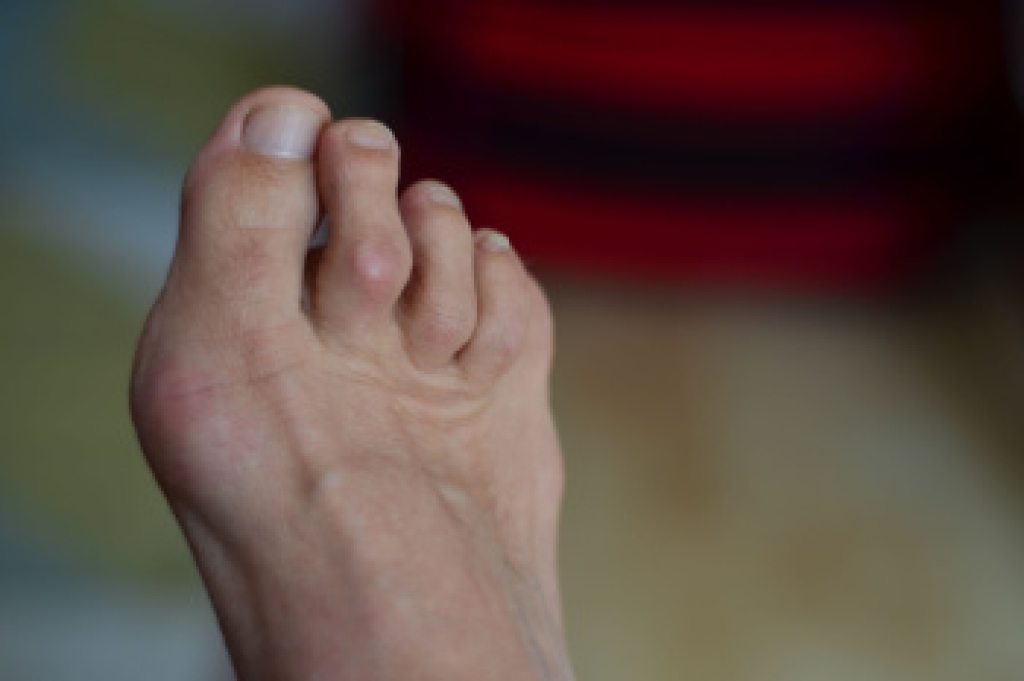
  • Hammertoes
  • Plantar Fasciitis
  • Bone Spurs
  • Corns
  • Tarsal Tunnel Syndrome
  • Ingrown Toenails
  • Arthritis (such as Gout, Rheumatoid, and Osteoarthritis)
  • Flat Feet
  • Injury (from stress fractures, broken toe, foot, ankle, Achilles tendon ruptures, and sprains)
  • And more

Diagnosis

To figure out the cause of foot pain, podiatrists utilize several different methods. This can range from simple visual inspections and sensation tests to X-rays and MRI scans. Prior medical history, family medical history, and any recent physical traumatic events will all be taken into consideration for a proper diagnosis.

Treatment

Treatment depends upon the cause of the foot pain. Whether it is resting, staying off the foot, or having surgery; podiatrists have a number of treatment options available for foot pain.

If you have any questions, please feel free to contact our office located in Scarsdale, NY . We offer the newest diagnostic and treatment technologies for all your foot care needs.
Read more about Foot Pain

Common Causes of Toe Pain and When to Seek Care

Toe pain can impact mobility and daily activities, making it important to understand its causes and symptoms. This condition refers to any discomfort or pain affecting the toes, which may result from injury, structural deformities, or underlying health issues. Because the toes support balance and forward movement, untreated pain can lead to changes in walking patterns and increased strain on other parts of the foot.

One of the leading causes of toe pain is hammertoe, which creates abnormal bending and pressure within the joint. Arthritis is another common factor, leading to joint inflammation, stiffness, and persistent aching. Neuropathy can cause nerve-related symptoms, such as tingling or burning sensations that often affect both feet. Poor blood circulation may also contribute to toe pain by limiting proper blood flow, which can result in cold toes, color changes, and delayed healing. These conditions may occur individually or together, increasing the severity of symptoms.


Symptoms often include localized pain, swelling, redness, and sensitivity to pressure. Some individuals may experience numbness or a pins and needles sensation due to nerve involvement. Risk factors include prolonged standing, improper footwear, and aging-related changes. Chronic conditions such as diabetes or vascular disease may also contribute. Repetitive stress from walking or exercise can worsen symptoms, especially when combined with poor foot support.


In summary, toe pain has multiple causes that require proper evaluation to determine effective treatment. Addressing symptoms early can help prevent progression and improve foot function. If you have toe pain, it is suggested you consult a podiatrist for an accurate diagnosis and appropriate treatment.

Toe pain can disrupt your daily activities. If you have any concerns, contact Darline Kulhan, DPM of Scarsdale Foot Specialists PC. Our doctor can provide the care you need to keep you pain-free and on your feet.

What Causes Toe Pain?

Most severe toe pain is caused due to a sports injury, trauma from dropping something heavy on the toe, or bumping into something rigid. Other problems can develop over time for various reasons.

Toe pain can be caused by one or more ailments. The most common include:

  • Trauma
  • Sports injury
  • Wearing shoes that are too tight
  • Arthritis
  • Gout
  • Corns and calluses
  • Hammertoe
  • Bunions
  • Blisters
  • Ingrown toenails
  • Sprains
  • Fractures (broken bones)
  • Dislocations

When to See a Podiatrist

  • Severe pain
  • Persistent pain that lasts more than a week
  • Signs of infection
  • Continued swelling
  • Pain that prevents walking

Diagnosis

In many cases the cause of toe pain is obvious, but in others, a podiatrist may want to use more advanced methods to determine the problem. These can range from simple visual inspections and sensation tests to X-rays and MRI scans. Prior medical history, family medical history, and any recent physical traumatic events will all be taken into consideration for a proper diagnosis.

Treatment

Treatments for toe pain and injuries vary and may include shoe inserts, padding, taping, medicines, injections, and in some cases, surgery. If you believe that you have broken a toe, please see a podiatrist as soon as possible.

If you have any questions please contact our office located in Scarsdale, NY . We offer the newest diagnostic and treatment technologies for all your foot and ankle needs.

Read more about Toe Pain

Connect With Us

scroll to top