Nails That Change Color and Texture

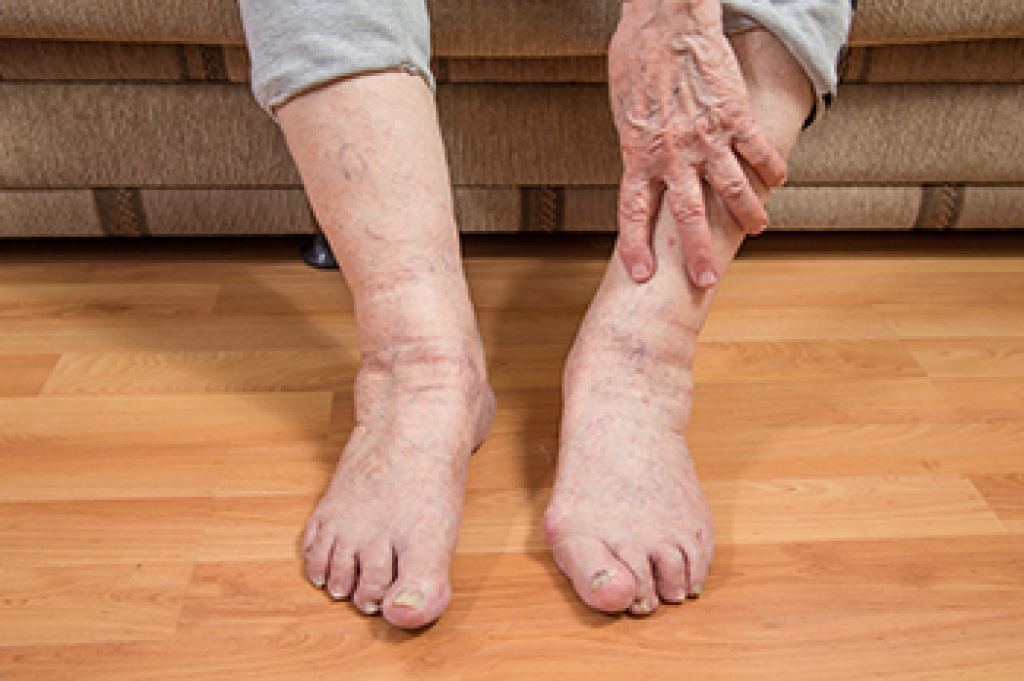
Toenail fungus, also called onychomycosis, is a common infection that can affect one or several toenails. The condition often begins with a small white or yellow spot under the tip of the nail and may gradually spread deeper into the nail. As the infection progresses, the nail may become thickened, brittle, crumbly, or distorted in shape. Some nails appear yellow, brown, or cloudy, and there may be an unpleasant odor. Toenail fungus can develop from walking barefoot in damp public areas, wearing tight shoes, sweating excessively, or having small cracks in the nail or skin that allow fungi to enter. People with diabetes or circulation problems may be at greater risk. A podiatrist can diagnose the infection by examining the nail and may take a small sample for testing. Treatment options include topical medications, oral antifungal medicine, and debridement to reduce thickness and discomfort. If you have toenail fungus, it is suggested that you schedule an appointment with a podiatrist for appropriate treatment solutions.

If left untreated, toenail fungus may spread to other toenails, skin, or even fingernails. If you suspect you have toenail fungus it is important to seek treatment right away. For more information about treatment, contact Darline Kulhan, DPM of Scarsdale Foot Specialists PC. Our doctor can provide the care you need to keep you pain-free and on your feet.

Symptoms

  • Warped or oddly shaped nails
  • Yellowish nails
  • Loose/separated nail
  • Buildup of bits and pieces of nail fragments under the nail
  • Brittle, broken, thickened nail

Treatment

If self-care strategies and over-the-counter medications does not help your fungus, your podiatrist may give you a prescription drug instead. Even if you find relief from your toenail fungus symptoms, you may experience a repeat infection in the future.

Prevention

In order to prevent getting toenail fungus in the future, you should always make sure to wash your feet with soap and water. After washing, it is important to dry your feet thoroughly especially in between the toes. When trimming your toenails, be sure to trim straight across instead of in a rounded shape. It is crucial not to cover up discolored nails with nail polish because that will prevent your nail from being able to “breathe”.

In some cases, surgical procedure may be needed to remove the toenail fungus. Consult with your podiatrist about the best treatment options for your case of toenail fungus.  

If you have any questions please contact our office located in Scarsdale, NY . We offer the newest diagnostic and treatment technologies for all your foot and ankle needs.

Read more about How to Treat Your Toenail Fungus

Staying Comfortable on Your Feet at Work

Foot care while working is important because many jobs require long hours of standing, walking, or lifting, which can place stress on the feet. Wearing the right shoes is essential, since proper support helps reduce pressure on the heels, arches, and toes. Stretching the feet when possible can also help improve flexibility and reduce stiffness during the day. At home, basic care like resting the feet and monitoring discomfort can help prevent problems from getting worse. Without proper care, people may develop pain, swelling, or fatigue that affects daily movement. A podiatrist can evaluate foot structure, recommend supportive footwear, and provide treatment plans tailored to work-related strain. If foot discomfort continues, it is suggested that you consult a podiatrist for an evaluation and appropriate care.

While working on the feet, it is important to take the proper care of them. For more information about working on your feet, contact Darline Kulhan, DPM from Scarsdale Foot Specialists PC. Our doctor will treat your foot and ankle needs.

Working on Your Feet

Standing on your feet for long periods of time can cause stress and pain in your feet. Your whole body may experience change in terms of posture, back pain, bunions, callouses and or plantar warts. There are ways to avoid these conditions with proper foot care, smart choices and correct posture.

Positive Changes

Negative heeled shoe – Choosing this shoe type places the heel slightly lower than the ball of the foot. These are great for overall foot health. Find shoes that fit you correctly.

Go barefoot – Our feet were not designed to be enclosed for all hours of the day. Try to periodically expose your feet to air.

Eliminate Pain

Foot Exercises – Performing simple exercises, incorporating yoga and doing stretches are beneficial. This will allow increased blood flow to the area and muscles of the foot.

Achilles tendon – Stretching the foot out flat on the floor will relax the calf muscles and tendon. These exercises can be performed almost anywhere. Make sure you add these exercises to your daily regimen. 

With a little bit of this information and knowing more about foot health, you will notice changes. Foot stretches and proper footwear will help with pain and prevent further issues.

If you have any questions please contact our office located in Scarsdale, NY . We offer the newest diagnostic and treatment technologies for all your foot and ankle needs.

Read more about Working on Your Feet

Stop Your Toenail Fungus

Have you noticed discoloration of your toenails? Have they become thickened or brittle? If so, you may be experiencing symptoms of a fungal nail infection. For some, having a fungal nail can be embarrassing. Overcome your embarrassment, and get treated.

Hidden Damage From Diabetes

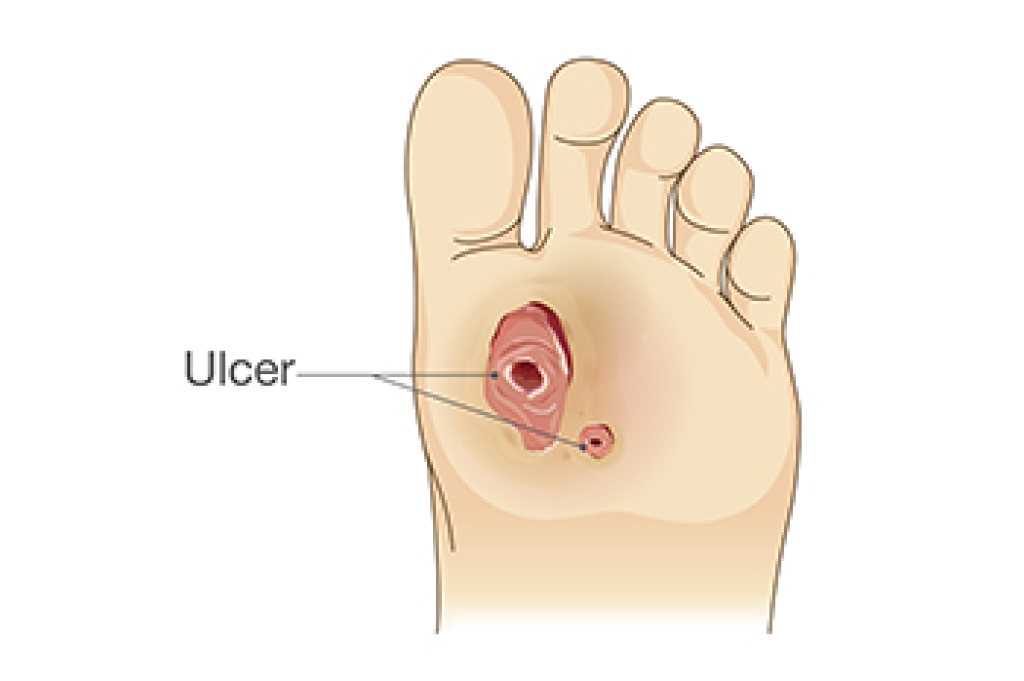
Diabetic foot disease refers to a group of serious foot problems that develop when diabetes affects circulation, nerve function, and the body’s ability to heal properly. Reduced feeling in the feet may prevent people from noticing cuts, blisters, pressure sores, or injuries before they become severe. Poor blood flow can also slow healing and increase the risk of infection. Many patients first notice numbness, tingling, swelling, skin discoloration, or changes in foot shape. Without treatment, these problems may lead to deep infections, tissue damage, or ulcers, which are open sores that can become difficult to heal. A podiatrist can examine the feet for early warning signs, evaluate circulation and nerve function, treat wounds, and help reduce pressure that contributes to skin breakdown. Ongoing diabetic foot care may lower the risk of serious complications and improve long-term foot health. If you have diabetes and notice changes in your feet, it is strongly suggested that you visit a podiatrist for care.

Diabetic foot care is important in preventing foot ailments such as ulcers. If you are suffering from diabetes or have any other concerns about your feet, contact Darline Kulhan, DPM from Scarsdale Foot Specialists PC. Our doctor can provide the care you need to keep you pain-free and on your feet.

Diabetic Foot Care

Diabetes affects millions of people every year. The condition can damage blood vessels in many parts of the body, especially the feet. Because of this, taking care of your feet is essential if you have diabetes, and having a podiatrist help monitor your foot health is highly recommended.

The Importance of Caring for Your Feet

  • Routinely inspect your feet for bruises or sores.
  • Wear socks that fit your feet comfortably.
  • Wear comfortable shoes that provide adequate support.

Patients with diabetes should have their doctor monitor their blood levels, as blood sugar levels play such a huge role in diabetic care. Monitoring these levels on a regular basis is highly advised.

It is always best to inform your healthcare professional of any concerns you may have regarding your feet, especially for diabetic patients. Early treatment and routine foot examinations are keys to maintaining proper health, especially because severe complications can arise if proper treatment is not applied.

If you have any questions, please feel free to contact our office located in Scarsdale, NY . We offer the newest diagnostic and treatment technologies for all your foot care needs.

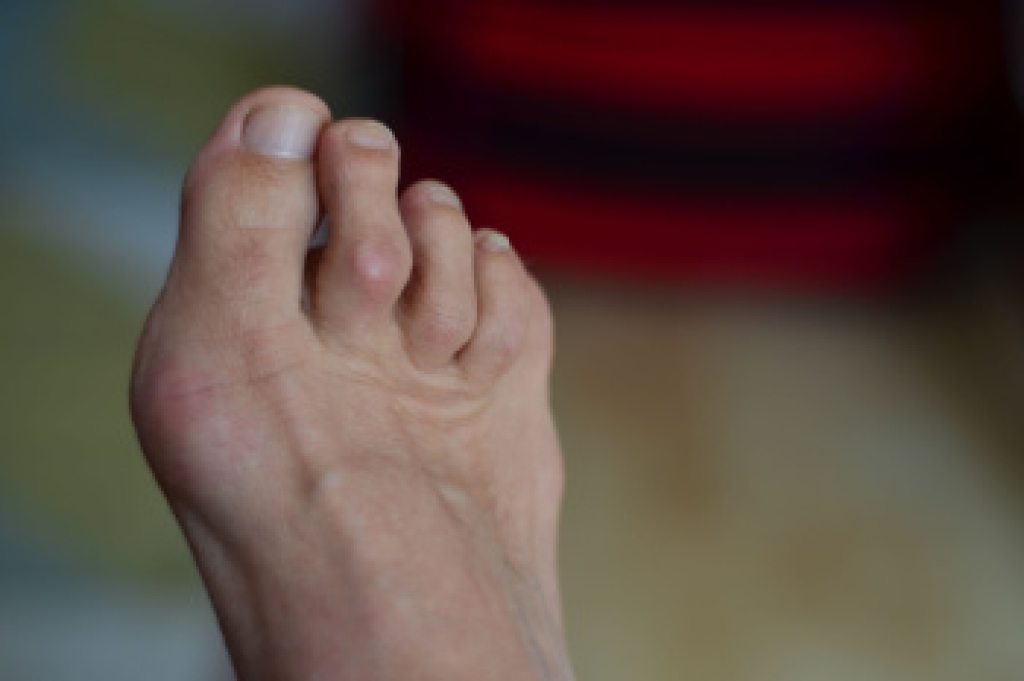
Read more about Diabetic Foot Care

Dealing With Ingrown Toenails

An ingrown toenail develops when the edge of a toenail grows into the surrounding skin instead of over it. This condition most often affects the big toe, and can cause redness, swelling, tenderness, and pain along the nail border. The area may feel sore while  walking, wearing shoes, or applying pressure to the toe. In some cases, the skin may become infected, leading to drainage, warmth, or increased swelling. Common causes include trimming the nails too short, wearing tight footwear, injury to the toe, or naturally curved nails. Repeated pressure from sports or daily activities may also contribute to the problem. A podiatrist can examine the toe, determine the severity of the condition, and recommend appropriate treatment. Care may include trimming or removing the ingrown portion of the nail, treating infection, recommending proper footwear, or performing a minor procedure to help prevent recurrence. If you have an ingrown toenail, it is suggested that you schedule an appointment with a podiatrist for appropriate treatment.

Ingrown toenails may initially present themselves as a minor discomfort, but they may progress into an infection in the skin without proper treatment. For more information about ingrown toenails, contact Darline Kulhan, DPM of Scarsdale Foot Specialists PC. Our doctor can provide the care you need to keep you pain-free and on your feet.

Ingrown Toenails

Ingrown toenails are caused when the corner or side of a toenail grows into the soft flesh surrounding it. They often result in redness, swelling, pain, and in some cases, infection. This condition typically affects the big toe and may recur if it is not treated properly.

Causes

  • Improper toenail trimming
  • Genetics
  • Improper shoe fitting
  • Injury from pedicures or nail picking
  • Abnormal gait
  • Poor hygiene

You are more likely to develop an ingrown toenail if you are obese, have diabetes, arthritis, or have any fungal infection in your nails. Additionally, people who have foot or toe deformities are at a higher risk of developing an ingrown toenail.

Symptoms

Some symptoms of ingrown toenails are redness, swelling, and pain. In rare cases, there may be a yellowish drainage coming from the nail.

Treatment

Ignoring an ingrown toenail can have serious complications. Infections of the nail border can progress to a deeper soft-tissue infection, which can then turn into a bone infection. You should always speak with your podiatrist if you suspect you have an ingrown toenail, especially if you have diabetes or poor circulation.

If you have any questions, please feel free to contact our office located in Scarsdale, NY . We offer the newest diagnostic and treatment technologies for all your foot care needs.

Read more about Ingrown Toenails

Connect With Us

scroll to top